Brake Replacement & Inspection: Key Signs Your Vehicle Needs Service in Santa Rosa
Driving around Santa Rosa means dealing with a mix of city traffic, busy intersections, neighborhood streets, and regular trips along routes such as Highway 101 and Highway 12. In those conditions, dependable brakes are essential every time traffic slows suddenly or road conditions change.
If your brakes are making unusual noises, the pedal feels different, or your vehicle takes longer to stop, it may be time for a professional brake inspection.
Quick answer: Common signs that your vehicle may need brake service include squealing or grinding noises, vibration during braking, a soft or unusually firm brake pedal, pulling while stopping, warning lights, and increased stopping distance. Santa Rosa drivers who notice these symptoms should have the braking system inspected promptly rather than waiting for the problem to become more noticeable.
What Santa Rosa Drivers Should Know
- Squealing can indicate brake pad wear, while grinding may mean braking components require more immediate attention.
- Stop-and-go driving around Santa Rosa can mean frequent brake applications, especially on busy local streets and commuting routes.
- Trips through Sonoma County can include changes in traffic, speed, and elevation that make predictable braking particularly valuable.
- Changes in pedal feel, braking distance, sound, or vibration are useful warning signs even when the vehicle still stops.
- A professional inspection can help determine whether the issue involves pads, rotors, brake fluid, calipers, or another braking component.
Why Does Brake Condition Matter for Santa Rosa Drivers?
Brake condition matters for Santa Rosa drivers because a properly functioning braking system helps provide predictable stopping performance through city traffic, highway travel, neighborhood driving, and trips throughout Sonoma County. Small changes in braking behavior can be early indications of wear that should be inspected before they develop further.
Drivers around Downtown Santa Rosa may encounter frequent stops, while Highway 101 commuters can transition quickly between higher-speed travel and congestion. Trips toward Rincon Valley, Bennett Valley, Roseland, or neighboring communities such as Rohnert Park can also create different braking demands during a normal week.
At Parker Performance, we help drivers evaluate brake concerns and determine what service their vehicles actually need. Our goal is to identify the source of the problem so appropriate repairs can be considered based on the vehicle's condition.
What Do Brake Inspections Typically Look For?
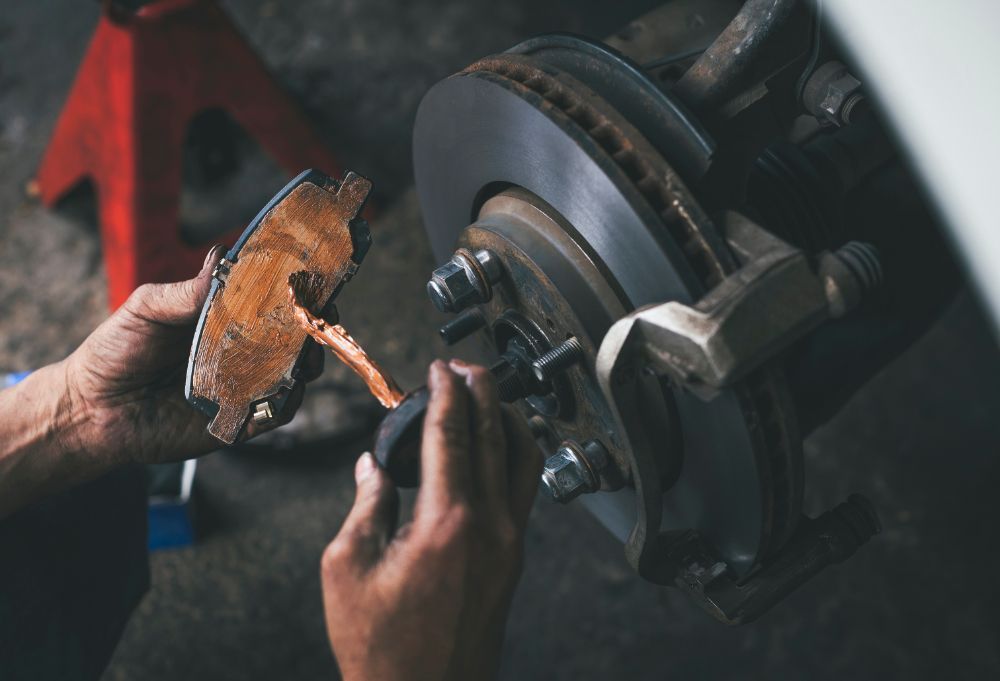
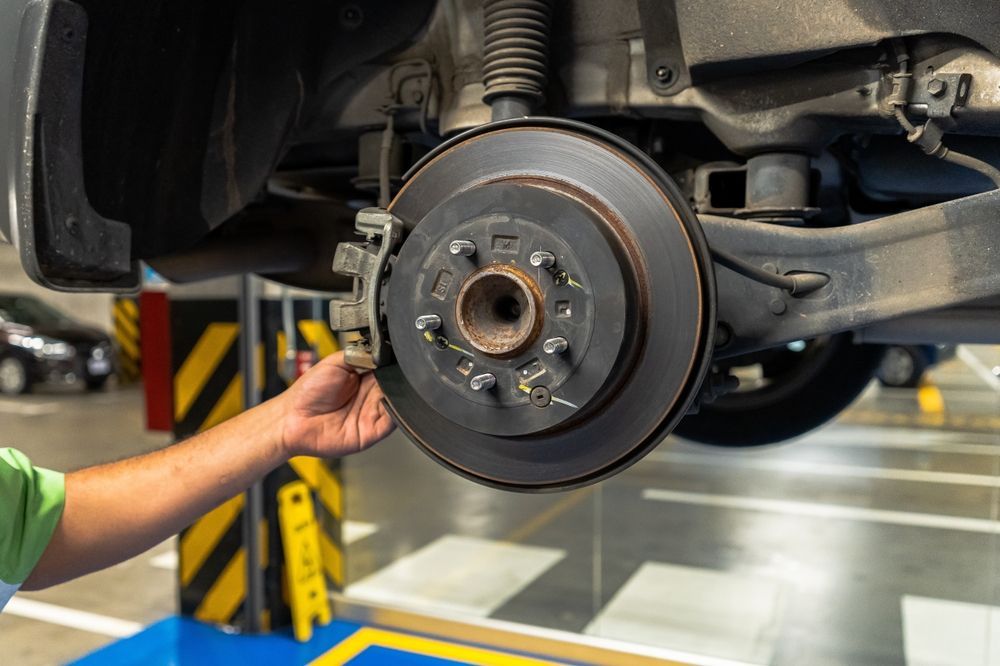
A brake inspection typically evaluates the components that create, control, and distribute braking force, including brake pads, rotors, calipers, brake fluid, and related hardware where applicable. The exact inspection and recommended service depend on the vehicle design, component condition, and symptoms the driver is experiencing.
Rather than relying on an unsupported mileage rule, drivers should pay attention to changes in how their vehicle sounds, feels, and stops. Brake wear varies with driving habits, vehicle type, component design, road conditions, and other factors.
For Santa Rosa motorists, frequent local trips and stop-and-go traffic are practical reasons to remain attentive to brake behavior. This is a professional service consideration rather than a claim that every local vehicle experiences brake wear at the same rate.
How Can Worn Brakes Affect Local Driving?
Worn or damaged brake components can affect stopping distance, pedal response, noise, vibration, and the driver's ability to brake smoothly and predictably. These changes matter during everyday driving, particularly when traffic conditions require frequent or unexpected stops.
A vehicle that feels manageable on a quiet residential street may behave differently during heavier traffic on Highway 12 or when approaching congestion along Highway 101.
Brake problems can also become more expensive when worn components affect other parts of the braking system. Addressing unusual symptoms early gives a technician an opportunity to determine what is worn and whether repair or replacement is appropriate.
What Are the Key Signs Your Vehicle Needs Brake Service?
The key signs your vehicle may need brake service are unusual brake noises, grinding, vibration, changes in pedal feel, pulling during braking, warning lights, and longer stopping distances. Any significant change from your vehicle's normal braking behavior deserves attention, particularly if the symptom is persistent or worsening.
- Squealing or squeaking: Persistent high-pitched noise during braking may indicate worn brake pads or another condition that needs inspection.
- Grinding noises: Grinding should not be ignored because it can indicate significant component wear or unwanted metal-to-metal contact.
- Brake pedal vibration: Pulsation or vibration through the pedal during braking can be associated with rotor or other braking-system issues.
- Soft or spongy pedal: A brake pedal that feels unusually soft, sinks farther than expected, or behaves differently from normal should be evaluated.
- Vehicle pulling during braking: Pulling to one side while stopping can have several possible causes and warrants professional diagnosis.
- Longer stopping distance: If the vehicle seems to need more room to stop than usual, brake performance should be checked.
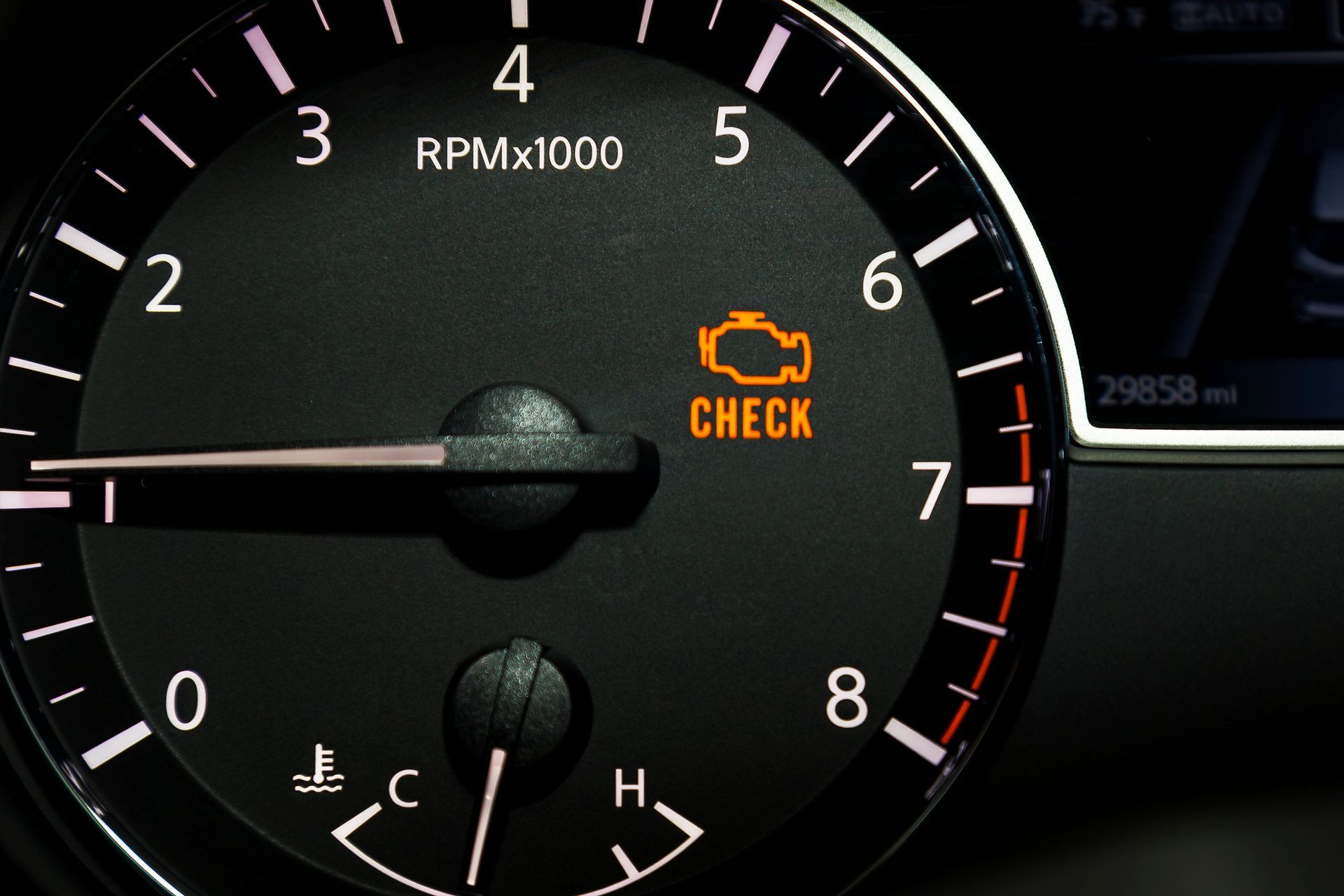
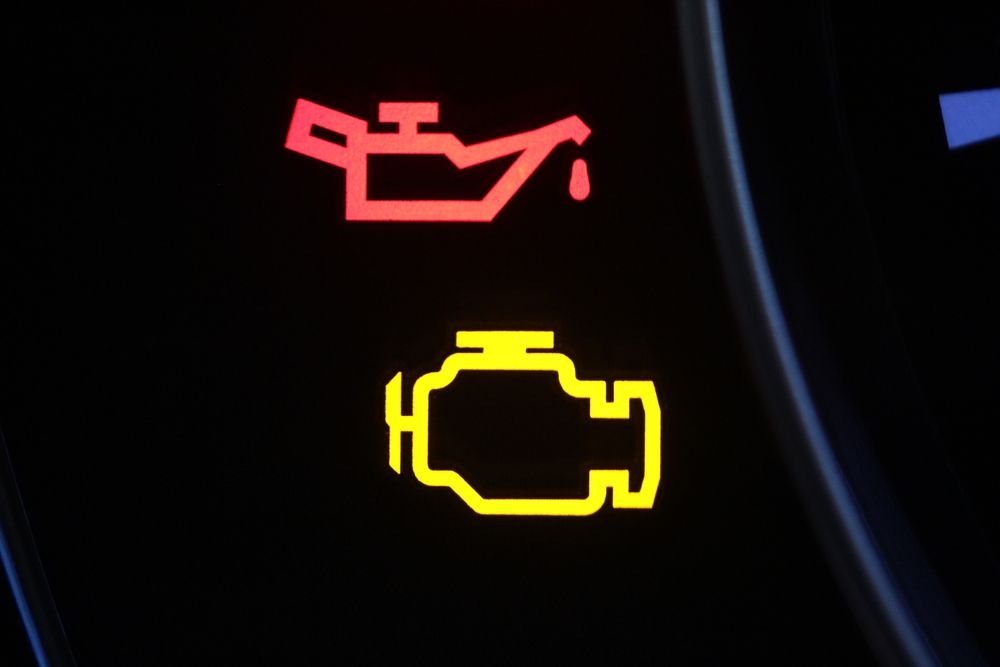
- Brake or ABS warning light: A warning indicator should be taken seriously and diagnosed according to the vehicle manufacturer's guidance.
When Should You Call a Brake Professional?
You should contact a brake professional when you notice persistent noises, grinding, changed pedal feel, vibration, pulling, warning lights, or reduced stopping performance. A visual check may reveal obvious concerns, but determining the condition of the complete braking system generally requires proper inspection.
Drivers can safely remain alert for changes in sound, feel, and stopping behavior. You can also follow the maintenance and warning-light guidance in your owner's manual.
DIY observation should stop when diagnosing or repairing the braking system requires removing components, measuring wear, opening hydraulic components, or determining whether the vehicle remains safe to operate. If braking performance is significantly reduced, avoid assuming the vehicle is safe to continue driving.
What Commonly Causes Brake Problems in Santa Rosa?
Common brake problems can result from normal friction-material wear, rotor wear or irregularities, caliper issues, brake-fluid concerns, damaged hardware, or other component faults. Local driving patterns can influence how frequently brakes are applied, but the actual cause must be determined by inspecting the individual vehicle.
1. Normal component wear: Brake pads are designed to wear as they create friction. Their service life varies rather than following one universal replacement interval.
2. Frequent stopping: Regular trips through busy Santa Rosa streets can involve repeated braking, particularly during commuting and peak traffic periods.
3. Rotor condition: Rotors can develop wear or surface irregularities that affect braking feel and performance.
4. Caliper or hardware problems: Components responsible for applying and releasing braking force can develop faults that cause uneven braking or wear.
5. Hydraulic-system concerns: Brake fluid and hydraulic components play a critical role in transferring pedal input to the brakes and should be evaluated when relevant symptoms appear.
How Can Santa Rosa Drivers Help Maintain Their Brakes?
Santa Rosa drivers can help maintain their brakes by responding to symptoms early, following manufacturer service recommendations, avoiding unnecessary hard braking, and including brake checks in routine vehicle maintenance. Prevention does not eliminate normal wear, but it can help identify problems before they become more extensive.
Pay attention to how your brakes feel during familiar drives. A change may be easier to recognize when you know how your vehicle normally responds on your daily commute.
Leave component disassembly, hydraulic brake work, and repair decisions to qualified service professionals. Brake systems are safety-critical, so guessing about component condition is not a good substitute for inspection.
What Should You Expect After Brake Service?
After appropriate brake service, you should expect the braking system to operate according to the condition and specifications of the serviced vehicle, with the original diagnosed problem addressed when the repair successfully corrects its cause. Exact results depend on which components required attention and whether additional issues are present.
Brake replacement does not always mean replacing every component. An inspection helps establish whether pads, rotors, fluid-related components, hardware, or another part of the system requires service.
Drivers should also ask about any recommended break-in procedure or post-service instructions that apply to the installed components.
What Brake-Service Mistakes Should Drivers Avoid?
The biggest brake-service mistakes are ignoring symptoms, assuming every noise means the same problem, replacing parts without diagnosis, and postponing inspection until braking performance becomes noticeably worse. A better approach is to treat changes in braking behavior as information that should be professionally evaluated.
Mistake: Ignoring squealing for months.
Consequence: The underlying wear may continue and potentially affect additional components.
Better approach: Schedule an inspection when persistent brake noise develops.
Mistake: Assuming vibration automatically means brake pads.
Consequence: Parts may be replaced without addressing the actual source.
Better approach: Have the complete symptom diagnosed.
Mistake: Choosing replacement based only on mileage.
Consequence: Mileage alone does not reveal the condition of every braking component.
Better approach: Combine manufacturer guidance with inspection and actual component condition.
Mistake: Waiting until a Santa Rosa commute feels unsafe.
Consequence: A developing issue may become more difficult to manage.
Better approach: Respond when braking behavior first changes.
What Is a Common Brake-Service Scenario in Santa Rosa?
A common local scenario is a driver noticing a new brake noise during everyday Santa Rosa travel while the vehicle still appears to stop normally. Because the symptom seems minor, it can be tempting to wait until the next scheduled maintenance visit before investigating it.
For example, a driver commuting between Santa Rosa and Rohnert Park might first notice squealing during lower-speed stops. The appropriate next step is not to assume that new pads are automatically required. An inspection can identify the source of the noise and determine the condition of the relevant braking components.
This is a representative scenario, not a Parker Performance customer case study.
Which Services Can Address Brake Problems?
Brake inspection and appropriate brake repair or replacement services can address problems involving worn or malfunctioning braking components after the cause has been identified. The right service depends on inspection findings rather than on a single symptom alone.
Depending on the vehicle and diagnosis, service may involve brake pads, rotors, calipers, brake fluid, related hardware, or other components. We can inspect the system and explain what appears to need attention based on its condition.
Ready to understand what your brakes need?
Schedule a brake inspection with Parker Performance
Should You Inspect, Repair, or Replace Your Brakes?
Whether brakes need inspection, repair, or replacement depends on the symptoms and measured condition of the braking components. Inspection is the starting point when the cause is unknown, while repair or replacement should follow the diagnosis and vehicle-specific service requirements.
A driver who hears a new noise but has no diagnosis benefits from inspection first. If that inspection identifies worn brake pads, damaged rotors, a hydraulic concern, or another fault, the appropriate repair can then be discussed.
Trying to solve a brake symptom by replacing a guessed component may waste money and leave the actual problem unresolved.
Where Do We Provide Brake Service Around Santa Rosa?
Our brake-service focus includes drivers in Santa Rosa and surrounding Sonoma County communities who need inspection or repair for braking concerns.
Residents traveling from areas such as Bennett Valley, Rincon Valley, Roseland, or nearby Rohnert Park should confirm service availability when scheduling.
What Can Happen If You Ignore Brake Warning Signs?
Ignoring brake warning signs can allow component wear or mechanical problems to progress, potentially affecting braking performance and increasing the amount of repair required. The safest response is to investigate significant changes rather than waiting for a noise, vibration, or pedal problem to become severe.
This matters whether you primarily drive short distances around Santa Rosa or regularly travel across Sonoma County. Reliable braking is too important to base on guesswork.
Do not wait for a brake concern to become harder to manage.
Request a brake inspection to identify the problem and discuss appropriate service
Frequently Asked Questions About Brake Service
How do I know if I need new brakes in Santa Rosa?
You may need brake service if you notice persistent squealing, grinding, vibration, unusual pedal feel, pulling, warning lights, or increased stopping distance. These symptoms do not always identify the exact failed component, so an inspection is the best way to determine whether pads or other braking parts require attention.
How often should brake pads be replaced?
Brake pads do not have one replacement interval that applies to every vehicle. Their lifespan varies according to vehicle design, pad material, driving style, traffic conditions, and other factors. Santa Rosa drivers should follow manufacturer recommendations and have brake condition evaluated when symptoms develop or during appropriate routine maintenance.
Does Santa Rosa stop-and-go traffic wear brakes faster?
Frequent braking can contribute to brake wear because pads and rotors create friction each time the vehicle slows. Drivers who regularly encounter congestion or frequent stops around Santa Rosa may use their brakes differently from drivers who spend more time cruising steadily, but actual component life still varies by vehicle and driving habits.
Is it safe to drive with grinding brakes in Sonoma County?
Grinding brakes should be professionally evaluated promptly rather than treated as a normal driving condition. Grinding can indicate significant wear or contact between components that should not be rubbing together. If braking performance is compromised, do not assume the vehicle is safe to drive to a repair facility.
Why does my brake pedal vibrate?
Brake pedal vibration can be associated with rotor irregularities or other braking and vehicle conditions, so diagnosis is necessary to identify the cause. If vibration consistently appears while braking on Highway 101, Highway 12, or local streets, note when it happens and share those details during your inspection.
Why does my car pull when braking?
A vehicle that pulls while braking may have an issue involving braking components, tires, suspension, alignment, or another system. Because several conditions can produce similar symptoms, Santa Rosa drivers should avoid assuming that brake pads alone are responsible and have the vehicle properly inspected.
Should I replace brake pads and rotors together?
Brake pads and rotors do not automatically require replacement together in every situation. The decision depends on rotor condition, measurements, manufacturer specifications, the type of wear present, and other inspection findings. A professional evaluation can determine which components are suitable for continued service and which require replacement.
Can I inspect my own brakes before driving around Sonoma County?
You can monitor basic warning signs such as unusual noises, warning lights, changed pedal feel, and stopping behavior, but those observations do not replace a complete brake inspection. Component measurements, hydraulic concerns, or repairs require appropriate knowledge and equipment. Follow your owner's manual and seek professional service when braking behavior changes.
Keep Your Brakes Ready for Santa Rosa Roads
Recognizing brake warning signs early gives you an opportunity to understand what is happening before simply guessing which parts need replacement. Whether your regular drive takes you through Downtown Santa Rosa, Bennett Valley, Rincon Valley, or onto Sonoma County highways, consistent braking performance matters.
Get Clear Answers About Your Brake Condition
We can inspect your braking system, identify concerns, and help you understand the appropriate next step based on your vehicle's condition.
Ready to work with Parker Performance?
Let's connect! We’re here to help.
Send us a message and we’ll be in touch.
Or give us a call today at (707) 526-2198
Agency Contact Form
More Marketing Tips, Tricks & Tools