By Parker Mitchell
•
August 14, 2026
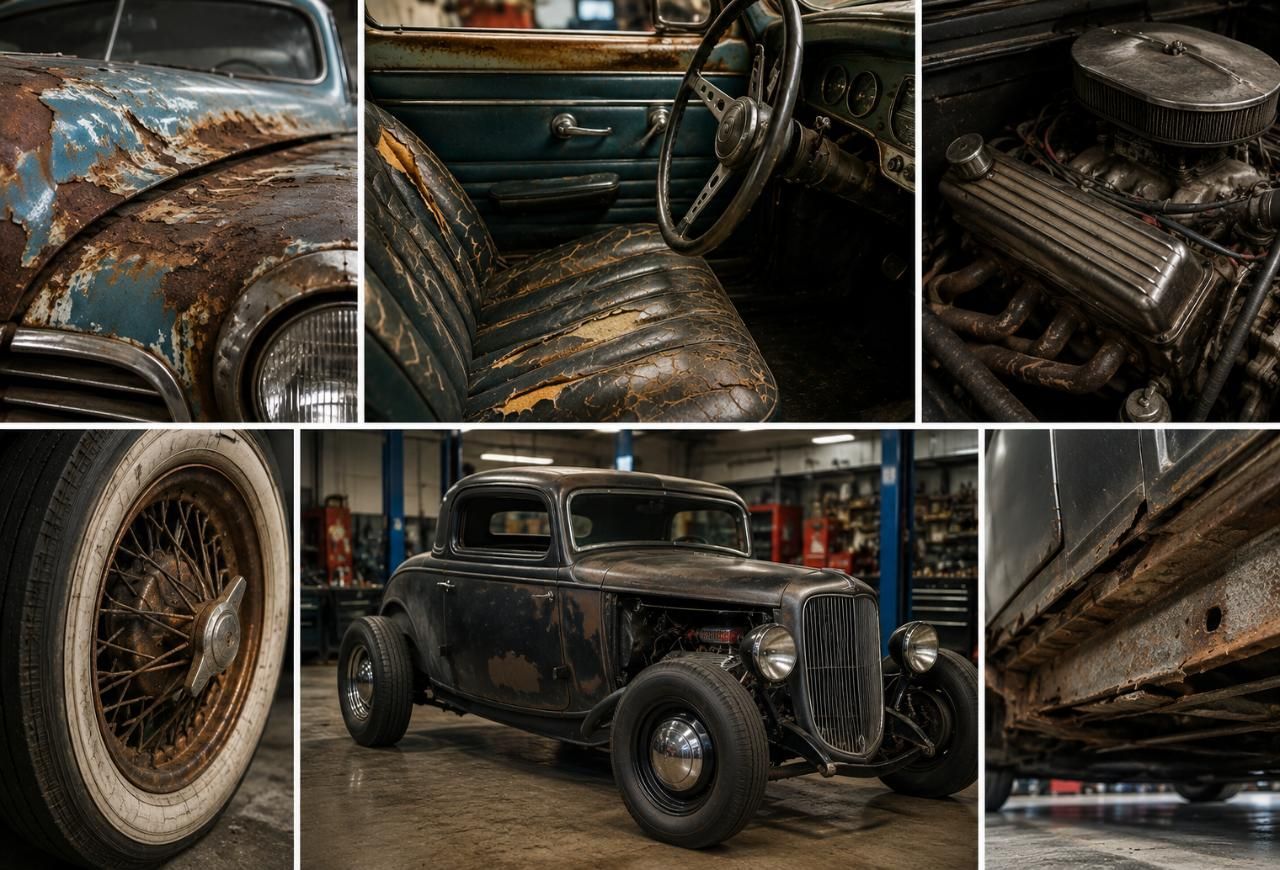
Owning a hot rod or vintage car in Santa Rosa means caring for a vehicle that may have decades of history behind every panel, piece of trim, and mechanical component. Sonoma County’s seasonal moisture, summer heat, road debris, and simple age can gradually turn small imperfections into restoration concerns. If your classic is showing rust, deteriorating paint, aging interior materials, mechanical wear, or signs of previous repairs failing, it may be time for professional restoration care . Catching these problems early can help preserve more of the vehicle, clarify which work should be prioritized, and prevent minor deterioration from becoming a much larger project. What local owners should know Small bubbles beneath paint can indicate corrosion developing below the visible surface. Wet winters and periods of coastal moisture around Sonoma County can make existing corrosion problems more important to monitor. Cracked upholstery, brittle seals, and faded materials may signal broader age-related deterioration. Unusual noises, leaks, steering changes, and braking concerns deserve professional evaluation rather than cosmetic attention alone. Older repairs should be inspected carefully because filler, mismatched materials, or hidden corrosion can affect future restoration work. Why Restoration Needs Matter for Vintage Cars in Santa Rosa Restoration needs matter for vintage cars in Santa Rosa because age, moisture, temperature changes, road exposure, and previous repairs can affect both appearance and underlying condition. A vehicle that looks presentable from several feet away may still have corrosion, deteriorated seals, worn mechanical parts, or aging materials that deserve attention. Local driving conditions vary considerably. A classic might spend most of its life garaged near Bennett Valley, cruise through Sonoma County on weekends, or regularly travel Highway 101 between communities such as Windsor and Rohnert Park. How the car is stored and driven can influence which components deteriorate first. Parker Performance works with vehicle owners in the Santa Rosa area who want to understand what their hot rod or vintage car needs. We believe a thoughtful restoration starts by assessing the vehicle as a whole rather than assuming every older car requires the same work. Local Field Observations for Classic Car Owners Local classic car owners should pay particular attention to moisture exposure, storage conditions, aging materials, and evidence of earlier repairs. These are practical areas to inspect because restoration needs are often determined as much by a vehicle’s history and storage environment as by its mileage. A car stored indoors in a dry, controlled space can age differently from one kept beneath a cover outdoors. Around Sonoma County, seasonal rain and damp periods can expose weaknesses in weatherstripping, body seams, floor areas, and previously repaired metal. Summer conditions matter too. Heat and sun exposure can contribute to fading, drying, and deterioration of paint, dashboards, upholstery, rubber, and seals. 5 Essential Signs Your Hot Rod or Vintage Car Needs Restoration Care The five essential signs a hot rod or vintage car needs professional restoration care are developing rust, failing paint or bodywork, deteriorated interior materials, mechanical problems, and evidence that older repairs are no longer holding up. Each can point to issues that extend beyond what is immediately visible. 1. Rust Is Appearing or Returning Rust deserves attention when you notice bubbling paint, discoloration, surface corrosion, or deterioration around seams and lower body areas. The visible spot may not represent the full affected area. Corrosion can develop beneath paint, around previous repairs, or in locations that collect moisture. On an older vehicle in Santa Rosa, checking floor areas, wheel openings, body seams, lower panels, and other moisture-prone locations can help reveal the extent of the problem. Simply covering corrosion with new paint does not address deterioration underneath. 2. Paint and Bodywork Are Showing Their Age Fading paint alone may be cosmetic, but cracking, bubbling, peeling, mismatched panels, waves in the body, or shrinking repair materials can indicate deeper restoration needs. Vintage cars often have complicated histories. A vehicle may have been repainted or repaired several times before reaching its current owner. If older bodywork begins revealing itself, professional evaluation can help determine what is underneath and whether localized correction or more extensive restoration makes sense. This is particularly useful for Santa Rosa owners who want a finish that complements the condition and intended use of the entire vehicle. 3. The Interior Is Cracked, Brittle, or Deteriorating An aging interior can indicate that upholstery, trim, weatherstripping, insulation, and other materials are reaching the end of their usable condition. Sun exposure can fade surfaces and dry materials, while moisture intrusion can create separate concerns beneath carpets or around seals. If a vintage car has a musty smell, damp carpeting, deteriorated rubber, loose trim, cracked seating surfaces, or extensive fading, the problem deserves a closer look. Interior restoration can also be an opportunity to decide how closely the vehicle should retain its existing character and appearance. 4. Mechanical Problems Are Affecting the Driving Experience Leaks, unusual noises, poor braking, steering changes, overheating, vibration, electrical problems, or inconsistent engine performance are signs that restoration should include more than appearance. Hot rods can be especially complex because modifications made by different owners may have occurred years apart. A mechanical system, electrical system, suspension setup, and body may not all have been updated at the same time. For vehicles driven around Santa Rosa, Sebastopol, Windsor, or other Sonoma County communities, dependable operation should be considered alongside paint, body, and interior work. 5. Previous Repairs Are Starting to Fail Cracking filler, returning rust, mismatched paint, uneven panel surfaces, questionable wiring, or improvised mechanical fixes can indicate that previous repairs need professional attention. Not every older repair is automatically a problem. The concern is whether it remains sound and appropriate for the vehicle today. A professional assessment can help separate areas that can remain untouched from repairs that should be corrected before additional restoration work proceeds. When to Call a Professional Call a professional when deterioration extends beyond routine cleaning and maintenance, affects safe operation, involves hidden corrosion, or requires removing and rebuilding parts of the vehicle. Owners can monitor paint, seals, fluid levels, visible corrosion, and changes in how a car drives, but restoration work can quickly require specialized evaluation. For example, a tiny surface blemish can be monitored, but bubbling that returns after previous bodywork deserves closer investigation. Likewise, routine cleaning is reasonable DIY care, while structural corrosion, significant electrical issues, braking concerns, or extensive disassembly should be approached differently. Common Causes of Restoration Problems in Sonoma County Common restoration problems in Sonoma County can result from age, moisture exposure, sunlight, storage conditions, road use, and older repairs. The exact cause depends heavily on where the vehicle has spent its life and how previous owners maintained or modified it. Moisture is a major concern wherever bare or poorly protected metal is exposed. Aging seals can also allow water into areas that are difficult to inspect. Sun and heat can deteriorate exterior finishes and interior materials. Regular driving between Santa Rosa and nearby communities such as Rohnert Park or Healdsburg can add normal road wear, vibration, debris exposure, and mechanical use. Finally, decades of modifications can create layered problems. One repair may have solved an immediate issue without addressing what caused it. Preventing Small Problems From Becoming Major Restoration Work The best way to limit restoration problems is to keep the vehicle clean and dry, inspect it regularly, address water intrusion quickly, and investigate new mechanical or cosmetic changes before they spread. Consistent care is particularly valuable for cars that are driven seasonally or stored for extended periods. After wet-weather driving, check areas where moisture and debris can collect. Keep an eye on weatherstripping and signs of water inside the cabin or trunk. During warmer months, limiting prolonged sun exposure can help protect paint, trim, rubber, and upholstery. Owners should also pay attention to changes between drives. A new leak, vibration, noise, paint bubble, or electrical issue is easier to evaluate when its appearance is recent. What to Expect From Professional Restoration Care Professional restoration care should give you a clearer picture of the vehicle’s condition, priorities, and appropriate path forward. Depending on what an inspection reveals, that path could involve focused repairs, cosmetic restoration, mechanical work, or a more comprehensive project. Not every vintage vehicle needs to be taken completely apart. The appropriate scope depends on condition, goals, budget, intended use, and what is discovered during evaluation. For many owners, the objective is to make informed decisions rather than replace every component simply because it is old. Common Restoration Mistakes to Avoid The most common restoration mistakes involve treating symptoms instead of causes, beginning cosmetic work before evaluating mechanical needs, and expanding a project without a clear plan. A better approach is to understand the vehicle’s overall condition before deciding which work deserves priority. Mistake: Painting over corrosion. Consequence: Deterioration may continue beneath the new finish. Better approach: Determine the extent and source of corrosion first. Mistake: Focusing exclusively on appearance. Consequence: Mechanical, electrical, braking, or steering concerns may remain unresolved. Better approach: Evaluate the complete vehicle. Mistake: Assuming every old component needs replacement. Consequence: The project may become unnecessarily extensive. Better approach: Base decisions on condition and restoration goals. A Common Santa Rosa Vintage Car Scenario A common Santa Rosa restoration scenario is an older car that looks reasonably good but begins showing several small warning signs at once. An owner might notice bubbling near a lower panel, dried weatherstripping, a small fluid leak, fading interior materials, and bodywork that looks different under direct sunlight. None of those observations alone defines the entire project. Together, however, they justify a more comprehensive evaluation. That assessment can help the owner decide which problems need attention now, which can be planned for later, and how individual repairs fit into the vehicle’s long-term direction. Related Restoration Solutions Restoration solutions should address the specific combination of body, cosmetic, interior, and mechanical needs found during evaluation. The right sequence can reduce duplicated effort and help owners make decisions with the complete vehicle in mind. At Parker Performance, we can discuss the condition of your hot rod or vintage car and the restoration goals you have for it. Request a professional restoration consultation Comparing DIY Care With Professional Restoration DIY maintenance works best for routine observation, cleaning, and basic upkeep, while professional restoration is appropriate when work requires specialized diagnosis, repair, fabrication, refinishing, disassembly, or mechanical expertise. The dividing line should be based on complexity and consequences rather than enthusiasm alone. Owners can play an important role by documenting changes, keeping the vehicle protected, checking for leaks, and noticing deterioration early. Professional care becomes more valuable when the cause or extent of a problem is uncertain. Service Areas Parker Performance serves vehicle owners from Santa Rosa and the surrounding area who are seeking professional care for hot rods and vintage cars. Owners from nearby Sonoma County communities such as Windsor, Rohnert Park, Sebastopol, and Healdsburg can contact us to discuss their vehicle and restoration needs. The Cost of Ignoring Restoration Warning Signs Ignoring restoration warning signs can allow corrosion, material deterioration, mechanical wear, or failing previous repairs to become more extensive. Waiting does not automatically mean a vehicle will require a complete restoration, but unresolved problems can affect more components and complicate future repair decisions. If your classic is showing multiple warning signs, having its condition evaluated can provide useful information before you commit to a larger project. Schedule an evaluation before small restoration concerns become more extensive Frequently Asked Questions How do I know if my vintage car in Santa Rosa needs restoration? Your vintage car may need restoration if you notice corrosion, failing paint, deteriorating interior materials, mechanical problems, water intrusion, or previous repairs beginning to fail. Multiple symptoms are especially worth evaluating because they can reveal broader age-related deterioration that is not obvious from the vehicle’s exterior. Does Sonoma County weather affect vintage cars? Yes, Sonoma County conditions can affect vintage cars through seasonal moisture, rain, summer heat, and sun exposure. Storage conditions often determine how significant that exposure becomes. Keeping a classic protected and monitoring seals, paint, metal surfaces, and interior materials can help owners identify deterioration earlier. Should I repair rust as soon as I see it? Visible rust should be investigated before it spreads or is covered with cosmetic repairs. A small area may be limited, but bubbling paint or returning corrosion can indicate deterioration beneath the surface. Determining the extent of the problem is more useful than simply covering the visible symptom. Can I keep driving my classic car around Santa Rosa while planning restoration? You may be able to continue driving if the vehicle is mechanically sound, but safety-related concerns should be evaluated before regular use. Problems involving braking, steering, overheating, significant leaks, electrical faults, or structural deterioration deserve particular attention before taking the vehicle back onto local roads. Does faded paint mean my car needs a complete restoration? No, faded paint by itself does not necessarily mean a complete restoration is required. The appropriate scope depends on what is happening beneath the finish and throughout the rest of the vehicle. An evaluation can distinguish cosmetic aging from cracking, corrosion, failing repairs, or other conditions requiring more extensive work. Should a hot rod be restored differently from an original vintage car? A hot rod may require a different restoration approach because its components and modifications can come from different eras. Engine, suspension, electrical, braking, body, and interior changes may have been completed by several previous owners, making it useful to evaluate how the systems work together before planning additional changes. How can I protect a vintage car during wet Sonoma County winters? Keeping the vehicle sheltered, dry, clean, and monitored for water intrusion can help protect it during wetter months. Inspect weatherstripping, carpets, trunk areas, body seams, and other places where moisture may collect. If corrosion or water intrusion appears, address the cause rather than relying only on surface cleanup. Is professional restoration only for show cars? No, professional restoration can also benefit vintage cars and hot rods intended for regular enjoyment rather than competition or display. The scope can be based on how you want to use the vehicle, its current condition, and which issues require attention. A restoration project does not automatically have to pursue show-car standards. Protect Your Classic for More Miles Around Sonoma County Your hot rod or vintage car does not need to be perfect to deserve thoughtful care. Recognizing corrosion, failing finishes, deteriorating materials, mechanical concerns, and aging repairs early can help you make better decisions about what the vehicle needs next. Give Your Vintage Car the Care Its Next Chapter Deserves We can help you evaluate your vehicle’s restoration needs and determine a practical direction based on its condition and your goals. Contact us today